



The Production, Applications, And Advantages Of Microfiber Leather
Dec 23, 2024
Leave a message
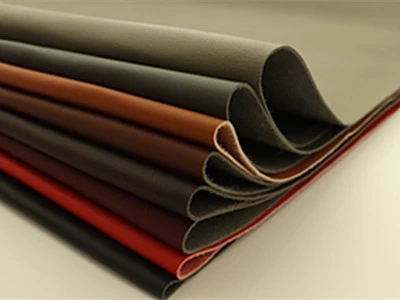
Microfiber leather, also known as microfiber synthetic leather, is a high-tech material that has gained significant popularity in various industries due to its exceptional quality and versatility. It is made from ultra-fine fibers, which are typically a blend of polyester and polyurethane, and is designed to mimic the look and feel of genuine leather while offering superior durability and performance.
Manufacturing Process of Microfiber Leather
The production of microfiber leather involves a complex process that begins with the extrusion of fine synthetic fibers. These fibers are then woven into a non-woven fabric base, which is subsequently coated with a polyurethane (PU) or polyvinyl chloride (PVC) layer. The PU or PVC coating gives the microfiber its leather-like texture and appearance.
The next step is the embossing process, where the surface of the material is pressed with a pattern that resembles the grain of real leather. This can range from smooth to various textures, such as pebbled or nubuck finishes. After embossing, the material undergoes a coloring process, which can include dyeing or printing to achieve the desired color and design.
Finally, the microfiber leather is treated with a protective coating to enhance its water resistance and durability. This coating also helps to make the material easier to clean and maintain. The end result is a product that is lightweight, flexible, and has a luxurious feel, making it an ideal substitute for natural leather.
Applications of Microfiber Leather
Microfiber leather's versatility makes it suitable for a wide range of applications. It is commonly used in the fashion industry for the production of high-end handbags, wallets, and shoes due to its durability and resistance to stains and water. In the automotive sector, it is used for upholstery and seat covers, providing comfort and a premium look while withstanding the wear and tear of daily use.
The furniture industry also benefits from microfiber leather, as it is used for upholstery, sofas, and other home furnishings. It is a preferred choice for pet owners and families with children because of its easy-to-clean surface. Additionally, microfiber leather is used in the production of sports equipment, such as gym bags and yoga mats, and in the manufacturing of accessories like watch bands and phone cases.
Advantages of Microfiber Leather
One of the primary advantages of microfiber leather is its environmental friendliness. Unlike genuine leather, which requires the raising and slaughtering of animals, microfiber leather is made from synthetic materials, making it a cruelty-free alternative. Moreover, it is more cost-effective and easier to produce in large quantities.
Microfiber leather is also highly durable and resistant to scratches, stains, and water. It does not crack or peel over time, as natural leather can, and it is easy to clean with just a damp cloth. Its lightweight nature makes it an excellent choice for products where weight is a concern, such as handbags and travel luggage.
Furthermore, microfiber leather is hypoallergenic, making it suitable for individuals with sensitive skin or allergies to animal-based products. It is also breathable, which means it can be comfortable to wear for extended periods, such as in shoes or clothing.
In conclusion, microfiber leather is a remarkable material that combines the aesthetic appeal of natural leather with superior functionality and eco-friendliness. Its production process is sophisticated, ensuring a high-quality end product that is versatile and suitable for numerous applications. As technology continues to advance, microfiber leather is likely to become even more prevalent, offering innovative solutions in various industries.
Send Inquiry